
Fatty Liver Disease
What is Fatty Liver Disease?
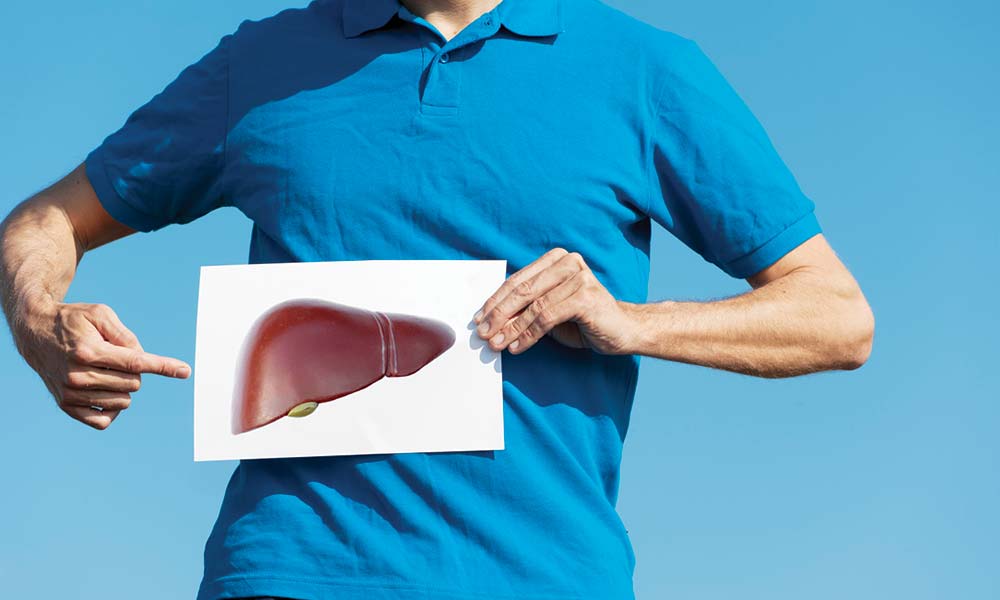
Fatty liver disease occurs when excess fat builds up within the liver cells, leading to inflammation and impaired liver function over time. The condition is commonly linked to obesity, insulin resistance, type 2 diabetes, and metabolic syndrome.
Symptoms
- Fatigue
- Upper abdominal discomfort
- Weakness
- Unexplained weight changes
- Elevated liver enzymes
- Often no symptoms in early stages
Causes & Risk Factors
Common risk factors include obesity, type 2 diabetes, high cholesterol, insulin resistance, and poor dietary habits. In some patients, fatty liver disease can progress to liver inflammation, fibrosis, cirrhosis, or liver failure if left untreated.
Gastroenterological Diagnosis & Treatment
Evaluation may include blood work, ultrasound imaging, VELACUR – Liver Scan, or liver biopsy when necessary. Treatment focuses on weight management, dietary changes, physical activity, and control of underlying metabolic conditions. Ongoing monitoring is important to help prevent progression of liver damage.
Nutritional Support for Fatty Liver Disease (non-alcoholic)
At Gastro Savannah, our primary goal is to support you through your diagnosis, including providing nutritional assistance. With so many diets available online, how can you determine which one is best suited for you and your digestive disorder? Below are some helpful tips and trusted links to guide you in making the right choices.
Fatty Liver Disease (Non-Alcoholic) & General Weight Loss
Nonalcoholic fatty liver disease (NAFLD) is the buildup of extra fat in liver cells that happens in people who drink little or no alcohol. A healthy liver contains very little or no fat. When fat makes up more than 5% to 10% of the liver’s total weight, it is considered a fatty liver. Linked strongly to obesity, high blood pressure, high blood sugar, and abnormal blood cholesterol or triglycerides as well as those with Type 2 Diabetes.
The Mediterranean Diet is primarily used to help with weight loss and those diagnosed with non-alcoholic fatty liver disease. The diet has received endorsement from various health organizations due to the observed low rates of chronic diseases and the above-average life expectancy in several countries surrounding the Mediterranean Sea. The diet focuses on the core foods eaten in these Mediterranean countries.
Examples of Mediterranean Diet Approved Foods to Eat
- Eating mostly fruits, vegetables, whole grains, potatoes, beans, legumes, nuts and seeds.
- Primary cooking fat from olive oil instead of butter or margarine.
- Moderate consumption of fish, poultry, eggs, cheese, and yogurt.
- Lean Red meat, in small portions
Examples of Foods to Avoid
- Sugary foods and drinks: Skip sodas, fruit juices, sweet teas, candy, cookies, and pastries. Added sugars and high-fructose corn syrup quickly turn into fat in the liver.
- Alcohol: Avoid beer, wine, and liquor completely. Alcohol strains the liver and accelerates damage.
- Fried and greasy foods: Limit french fries, fried chicken, and fast food. These items are high in calories, unhealthy fats, and sodium. Refined carbohydrates: Avoid white bread, white rice, regular pasta, and baked goods made with white flour. They spike blood sugar levels faster than whole grains.
- Saturated and trans fats: Cut back on fatty cuts of red meat, full-fat dairy (like butter and whole milk), lard, and packaged snacks containing hydrogenated oils.
- Highly processed foods: Limit frozen meals, processed deli meats, hot dogs, and canned goods with hidden sugars or extra salt.
Fatty liver disease involves excess fat building up in the liver. The Mediterranean diet treats this condition by
- Improving Insulin Sensitivity: High-fiber whole grains, fruits, and vegetables stabilize blood sugar and reduce insulin resistance, which stops the liver from storing excess fat.
- Combats Inflammation: Healthy unsaturated fats (like omega-3s in fish and monounsaturated fats in olive oil) and antioxidants (polyphenols) in berries, dark leafy greens reduce liver inflammation.
- Reduces Fat Production: Cutting out refined carbohydrates (ultra processed white bread, pasta, rice) and added sugars prevents the liver from converting excess sugar into fat.
- Promotes Weight Loss: Clinical guidance from the American Liver Foundation highlights that the nutrient-dense, filling nature of this diet helps achieve a safe, sustainable calorie deficit needed to clear fat deposits from the liver.
Meal and Snack Ideas
- Plain Greek yogurt topped with fresh berries and a small handful of walnuts.
- Whole-grain toast topped with mashed avocado, sliced tomatoes, and a sprinkle of seeds.
- Lettuce, chopped tomatoes, cucumbers, red olives, and feta cheese drizzled with extra-virgin olive oil.
- Wild tuna mixed with olive oil or Greek yogurt inside a whole-wheat pita pocket
- Salmon fillets served alongside roasted asparagus and brown rice.
- Hearty lentil and vegetable soup flavored with garlic, cumin, and olive oil.
- A small bowl of mixed olives paired with a few cubes of feta cheese.
- A small handful of raw almonds or walnuts with a piece of fresh fruit like an apple or orange.
For Mediterranean Diet recipes and tips for having a healthy liver, visit https://liverfoundation.org/health-and-wellness/healthy-lifestyle/