
GERD
What is GERD?
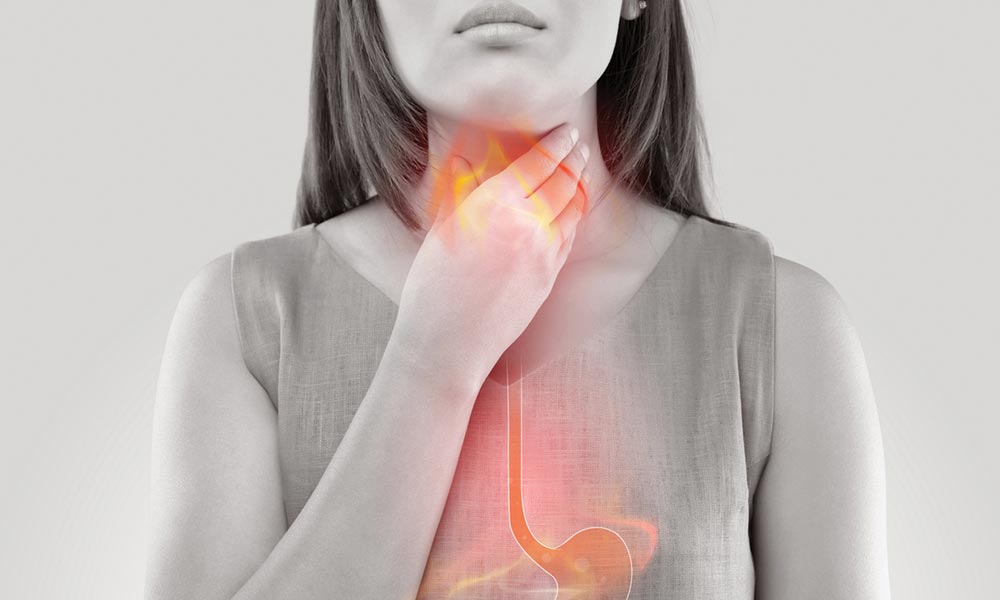
GERD, or gastroesophageal reflux disease, is a chronic digestive condition in which stomach acid frequently flows backward into the esophagus. Over time, repeated acid exposure can irritate and damage the lining of the esophagus.
Symptoms
- Persistent heartburn
- Acid reflux or regurgitation
- Chest discomfort
- Chronic cough
- Hoarseness
- Difficulty swallowing
- Sore throat or throat irritation
Causes & Risk Factors
GERD may result from weakening of the lower esophageal sphincter, obesity, smoking, pregnancy, hiatal hernia, dietary triggers, or delayed stomach emptying.
Gastroenterological Diagnosis & Treatment
Diagnosis may include symptom evaluation, upper endoscopy, pH monitoring, or imaging studies. Treatment commonly involves dietary and lifestyle modifications, acid-reducing medications, and ongoing monitoring. More advanced cases may require endoscopic or surgical intervention.
Nutritional Support for GERD (Gastroesophageal Reflux)
At Gastro Savannah, our primary goal is to support you through your diagnosis, including providing nutritional assistance. With so many diets available online, how can you determine which one is best suited for you and your digestive disorder? Below are some helpful tips and trusted links to guide you in making the right choices.
Gastroesophageal refers to the stomach and the esophagus. Reflux refers to the back-flow of acidic or non-acidic stomach contents into the esophagus. Put simply, it means that acid produced by your stomach to help digest the food you eat is flowing backward, or “refluxing” into your esophagus. Your esophagus is a tube from the back of your throat to you stomach. Acid washing back into your esophagus may cause irritation and heartburn. If left untreated, chronic heartburn or GERD can lead to significant damage to your esophagus and even cause Barrett’s esophagus, a permanent condition that can lead to esophageal cancer.
While there is no single official diet for GERD, eating low-fat, high-fiber, and non-acidic foods helps control acid reflux.
Examples of Foods to Eat
- Lean proteins: Chicken, turkey, fish, and tofu.
- High-fiber whole grains: Oatmeal, brown rice, and whole-grain bread.
- Non-citrus fruits: Bananas, melons, apples, and pears.
- Vegetables: Broccoli, asparagus, green beans, and leafy greens.
- Alkaline and watery foods: Cauliflower, fennel, cucumbers, and water.
Examples of Foods to Avoid
- Fatty and fried foods: Fast food, potato chips, and greasy meats.
- Acidic items: Citrus fruits (oranges, grapefruit) and tomato-based sauces.
- Trigger ingredients: Chocolate, peppermint, onions, and garlic.
- Beverages: Coffee, alcohol, and carbonated sodas.
- Spicy Foods: Hot sauces, hot peppers, salsa & hot dips, certain spices like curry, chili powder, black pepper
Tips to Avoid Heartburn
- Don’t Smoke: Smoking after meals can lead to an episode of heartburn as nicotine weakens the muscle between the stomach and esophagus allowing acid to flow backwards.
- Chew Gum: Chewing gum after meals will stimulate saliva production. Saiva actually neutralizes stomach acid. It also increases peristalsis-the contraction and relaxation of muscles that pushes food through the digestive tract and helps move stomach contents into the small intensive more quickly.
- Drink Water: Drinking a glass of lukewarm water or herbal tea after a meal can dilute and flush out stomach acid.
- Stay Upright: Avoid lying down or bending over for at least three hours after eating. This allows the acid to stay in your stomach.
- Lose Weight: Extra weight will press on your stomach and will push stomach acid up into your esophagus.
Meal and Snack Ideas
- Oatmeal with Maple Syrup: A bowl of warm oats topped with flax meal and a light drizzle of maple syrup provides soluble fiber to absorb acid.
- Apple Slices with Almond Butter: Crisp apple slices paired with a tablespoon of low-acid nut butter offer a satisfying, easy-to-digest crunch.
- Whole Grain Crackers with Low-Fat Cheese: Simple whole-grain crackers served with a mild, low-fat cheese stick avoid the high fat content that triggers heartburn.
- Scrambled Egg Whites on Toast: Lightly scrambled egg whites served alongside a single slice of whole-grain or artisan toast.
- Turkey Lettuce Wraps with Carrots: Lean sliced turkey wrapped in crisp lettuce leaves or soft rice paper, served with a side of shredded carrots and hummus.
- Baked Salmon with Sweet Potatoes: Mild baked salmon served with a side of mashed sweet potatoes and steamed green beans.
For more tips and recipes for living with GERD, visit https://aboutgerd.org.