
What is an Upper Endoscopy?
An upper endoscopy, or esophagogastroduodenoscopy (EGD), is a procedure performed to examine your upper digestive system. This procedure can diagnose and, in some cases, treat conditions affecting the esophagus, stomach, and the beginning of the small intestine (duodenum).
During an upper endoscopy, a thin, flexible tube called an endoscope is guided through your mouth and down your throat. The endoscope has a tiny camera attached to the end, allowing your doctor to view images of your upper digestive system for further evaluation.
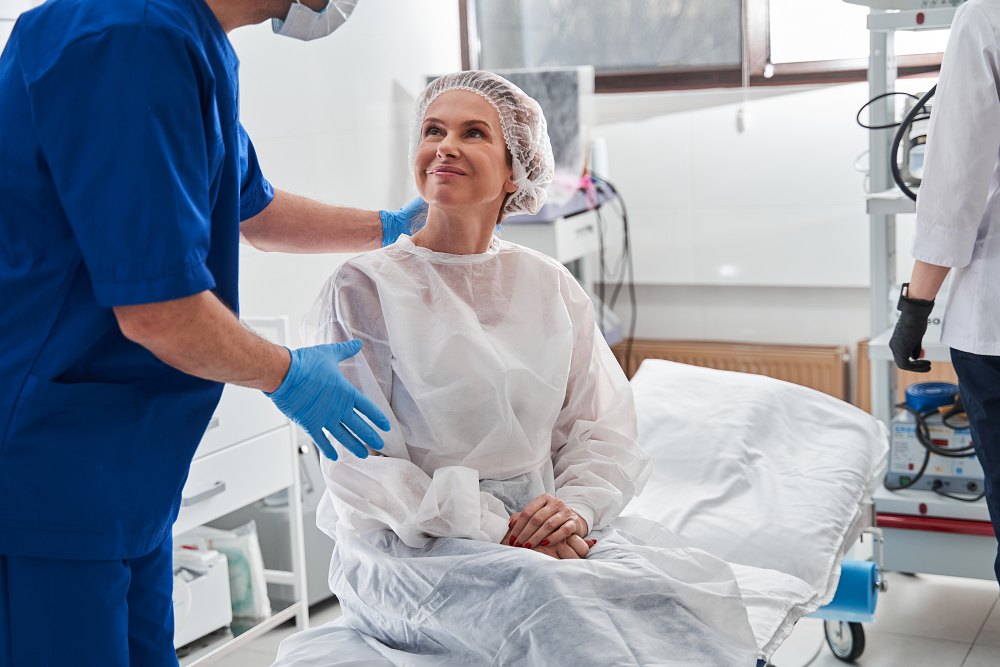
Preparing for an Upper Endoscopy
Your doctor will provide you with instructions on how to prepare for your upper endoscopy. The most important step is to discuss any medical conditions you have with your doctor, including diabetes and heart or lung problems, as well as any daily medications you take. Read this form for a complete list of instructions and preparations for an upper endoscopy.
What to expect during an Upper Endoscopy
An upper endoscopy usually lasts between 15 and 30 minutes. Before the procedure, you may receive a sedative through an IV, along with a local anesthetic that your doctor will spray into your mouth to numb your throat. Your doctor will then insert the endoscope through your mouth and gently guide it down your esophagus into your stomach. The tiny camera attached to the end of the endoscope captures images, allowing your doctor to closely examine your upper digestive tract.
During the procedure, you may feel pressure but should not feel pain. After the procedure, you will be taken to a recovery room, where our healthcare team will monitor you for about an hour. You may experience bloating, cramping, or a sore throat, which should improve over time. The sedative may take up to 12 hours to wear off, so you will need someone to drive you home after your procedure.