
What is Small Bowel Enteroscopy?
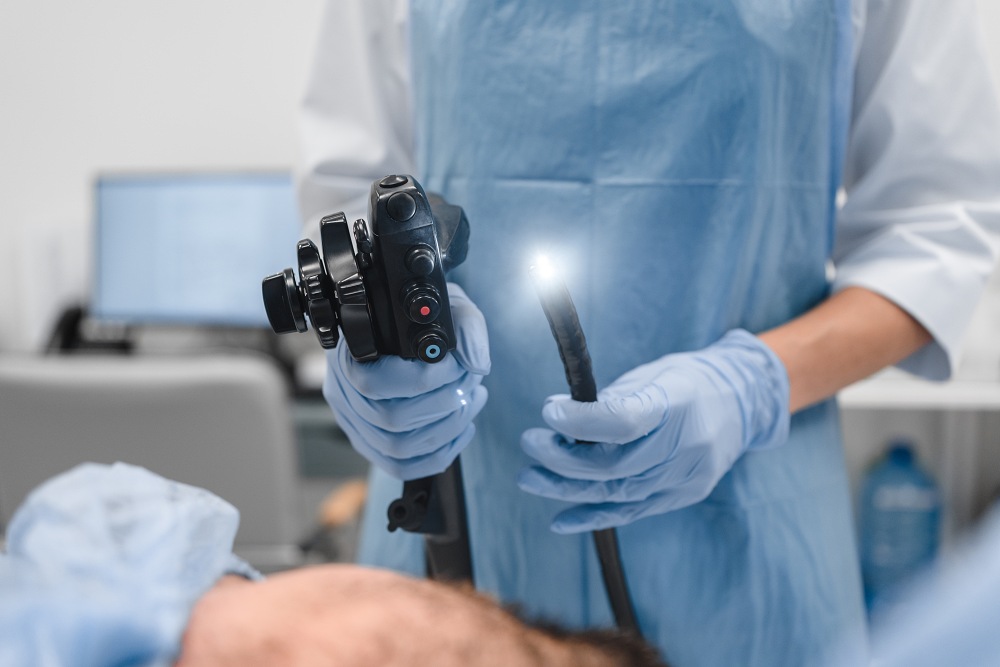
A small bowel enteroscopy is a procedure that allows for a comprehensive examination of the entire small intestine using an endoscope. By inflating the endoscope with air, sections of the small bowel are expanded, providing the camera with a clearer view. This method enables the physician to conduct both diagnostic and therapeutic techniques without resorting to open surgery. It is generally used for investigating and treating suspected small intestinal bleeding and for diagnosing and treating Crohn’s disease.
Preparing for Small Bowel Enteroscopy
An empty stomach will allow for the best results from a small bowel enteroscopy, so your doctor will instruct you to stop eating 12 hours prior to your procedure. Clear liquids (no red or purple liquid of any kind) are allowed up to six hours prior to your procedure. The most important step is to talk to your doctor about any medical conditions you have, including taking any aspirin, nonsteroidal anti-inflammatory drugs and any blood thinners prior to the procedure. Your doctor will provide you with full instructions on how to prepare for your small bowel enteroscopy. Some approaches require a laxative solution to clear the intestines.
What to expect during Small Bowel Enteroscopy
During the procedure, you will receive IV sedation to help you relax or induce sleep. A physician will guide a flexible tube, known as an enteroscope, into the small intestine, often using balloon technology or a motor to access deeper areas. This can be done either through the mouth, or through the rectum. The examination usually lasts between one to two hours, during which you might experience some pressure or cramping. After the procedure, you will be monitored in a recovery area for approximately one to two hours, where you may feel mild nausea, bloating, or a sore throat. It is important to have someone drive you home, as you should refrain from driving for 24 hours. Initial results are typically available soon after the procedure, while final pathology results may take several days. You can generally return to your normal diet about two hours following the procedure.